


Chasing constant improvement can quickly turn into a treadmill — one that ends in burnout more often than breakthroughs. This piece breaks down a different approach: inner alignment. Instead of chasing productivity metrics or quick wins, alignment centers your emotions, values, and choices so growth feels sustainable and true to you. We compare what alignment looks like next to conventional self‑help hustle, walk through common industry pitfalls, introduce practical tools like Reality Transurfing, and map steps for emotional healing and life design. If you’re ready to stop performing growth and start living it, this guide will help you choose alignment over hustle and take the next real step forward.
What inner alignment actually means — and why it matters more than hustle
Inner alignment is the state where your actions, values, and inner life line up. It’s about emotional clarity and making decisions that feel right for you, not just what looks impressive on the outside. Hustle culture rewards output; alignment rewards integrity. That shift—from external markers to inner coherence—reduces burnout, improves relationships, and makes progress feel meaningful instead of hollow.
How inner alignment differs from typical self‑help advice
Most self‑help programs promise fast fixes or a formula for success. That often nudges people toward goals that don’t match their deeper wants. Inner alignment asks you to pause, reflect, and uncover what you truly want—not what you’ve been told to want. When growth is driven by your values, you get less frustration and more steady, satisfying momentum.
What you actually gain from being aligned
When you prioritize alignment, the payoff shows up across life:
| Benefit | Description |
|---|---|
| Emotional clarity | You understand your feelings better, so decisions and relationships become clearer and less reactive. |
| Deeper fulfillment | Goals that match your values feel rewarding, not like chores—so your wins land with more joy. |
| Sustainable growth | Growth that emerges from alignment is resilient: it builds energy instead of draining it. |
These shifts aren’t dramatic overnight fixes — they’re the difference between short bursts of motivation and steady, long‑term change that actually sticks.
Where the self‑help industry and hustle culture fall short
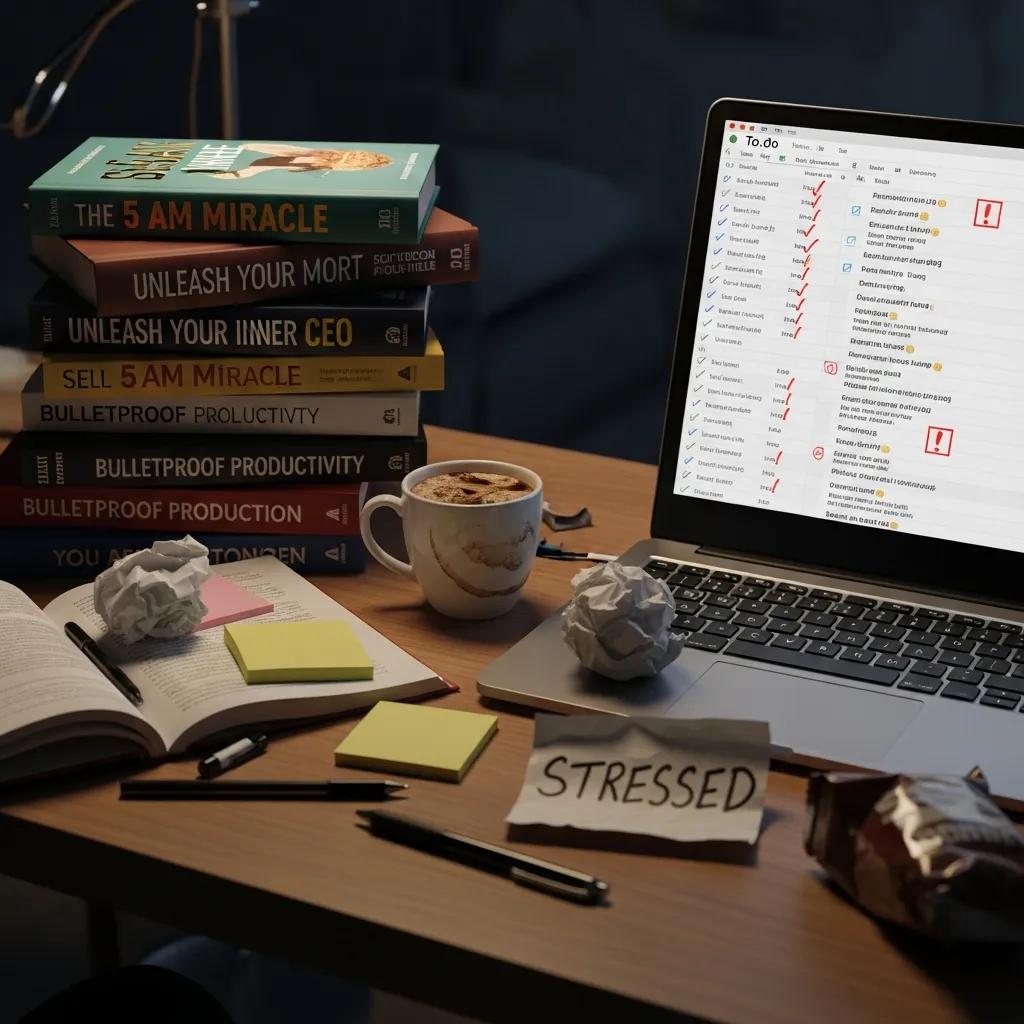
Self‑help often packages hope as a checklist: read this, do that, achieve success. The problem is many programs skim the surface and ignore the emotional work underneath. That encourages dependence on the next course, the next tactic, and the next metric—while the real obstacles stay unresolved.
Why the hustle loop usually leads to burnout
The hustle narrative says you must always be leveling up. That pressure produces chronic stress: you push harder, rest less, and then blame yourself when results don’t match the effort. Over time this pattern corrodes confidence and mental health. Spotting that cycle is the first step toward doing less that matters more.
How toxic positivity blocks real growth
Toxic positivity tells you to smile through discomfort and ignore hard feelings. But burying pain only stalls healing. True growth needs honest emotional work—naming fear, grief, or doubt—and creating space to move through it. When you validate your full experience, alignment becomes possible.
How Reality Transurfing gives a practical route to alignment
Reality Transurfing (Vadim Zeland) isn’t wishful thinking; it’s a mindset framework that helps you notice which inner states pull you toward unwanted patterns and which ones open new possibilities. It’s about aligning attention, intention, and emotion so your life moves in a direction you actually prefer.
Core Reality Transurfing ideas to use today
The key concepts to apply are:
- Pendulums: Collective energy patterns—beliefs, trends, or demands—that sway you. Learn to recognize them and choose whether to engage.
- Reduce importance: When you lower over‑attachment to outcomes, anxiety drops and options appear.
- Space of variations: Multiple potential paths exist. Your focus and feeling choose which one you experience.
These ideas give practical guardrails for steering your inner climate toward alignment rather than reacting to every external pull.
How to use Transurfing tools to redesign your life
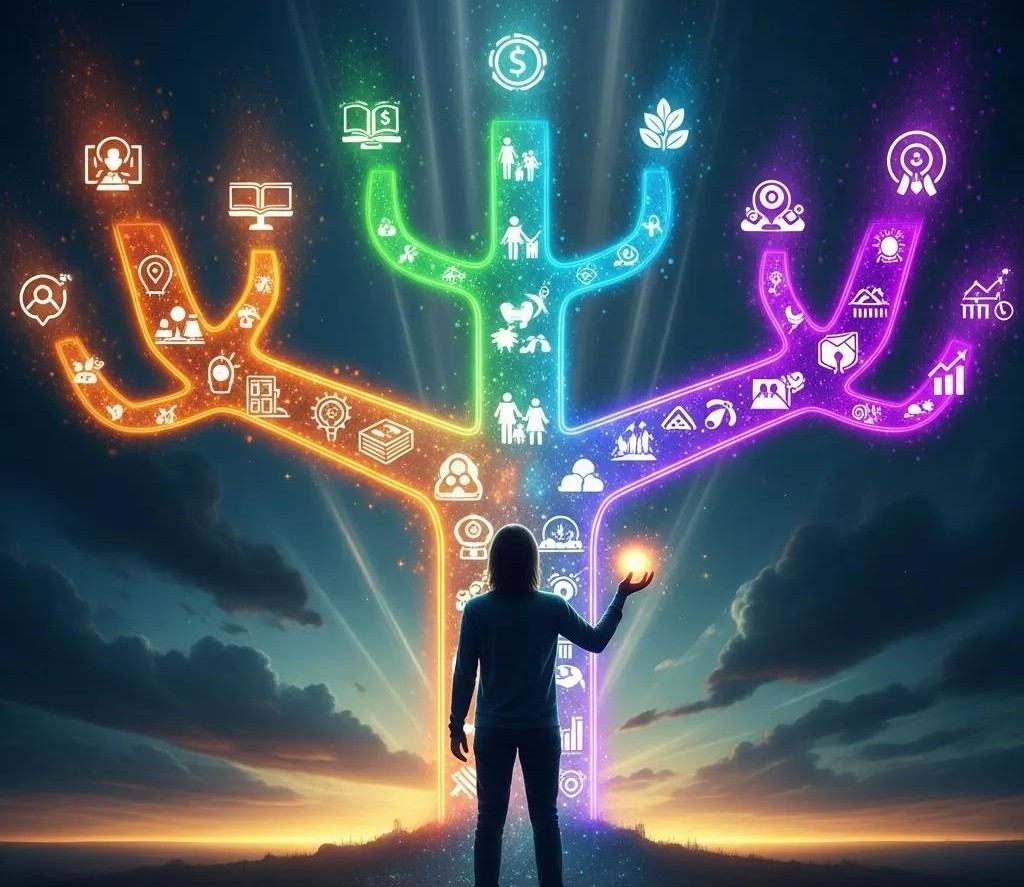
Start with simple, repeatable steps:
- Awareness: Track your dominant thoughts and feelings—what pulls you off course?
- Set clear intentions: Define what you truly want, not what you think you should want.
- Detach from the outcome: Hold your intention lightly so you can adapt as reality unfolds.
Over time, these practices shift how you move through choices, giving you more control over the life you create.
Why emotional healing matters for lasting alignment
Emotional healing clears the blocks that keep you repeating old patterns. Until you release the core emotions holding you back, new behaviors usually don’t stick—so healing is a practical step, not just feel‑good work.
What emotional healing looks like — Emotion Code and Body Code explained
Methods like the Emotion Code and Body Code focus on identifying trapped emotions stored in the body and releasing them. They use gentle testing and energy‑based techniques to locate emotional baggage so you can let it go and reclaim energy for present‑day choices.
Why letting go of trapped emotions opens alignment
Trapped emotions act like hidden steering wheels: they influence reactions, attract familiar outcomes, and exhaust you. Releasing them creates clarity and energy, making it easier to choose actions that line up with who you want to be.
What life design looks like when it’s built on alignment
Life design is the intentional process of arranging your time, habits, relationships, and goals so they reflect what matters to you. It’s not a one‑time plan; it’s an ongoing crafting of a life that feels right.
How identity shifts lead to authentic growth
To grow in a way that lasts, you often need to change the identity behind your choices. When you act “as if” the person you want to be—consistently—the new identity becomes normal. Letting go of limiting labels frees up space for habits that actually support that new identity.
Steps to design an aligned life
Practical steps to get started:
- Reflect: Clarify your values and what lights you up.
- Set aligned goals: Pick goals that feel meaningful, not just impressive.
- Create flexible plans: Map small, repeatable actions and allow room to adjust.
Designing life this way keeps you moving forward without wearing yourself down.
How to shift from self‑help hustle to inner alignment—starting now
Moving from hustle to alignment is a gradual reorientation: less frantic doing, more intentional being. It begins with awareness and small, consistent changes.
First steps to stop hustling and start aligning
Try these to begin the shift:
- Change your lens: Prioritize meaningful progress over constant optimization.
- Set boundaries: Guard your time and energy to protect what matters.
- Practice presence: Daily mindfulness or short check‑ins keep you connected to what’s true for you.
Small changes compound. Start with one and give it time to take root.
How a supportive community speeds your alignment
Community gives you mirrors, accountability, and emotional containment—things that accelerate growth. Choose groups that value depth over hype, where shared values and honest feedback help you stay aligned rather than distracted.
Frequently Asked Questions
What are some common misconceptions about inner alignment?
People often confuse alignment with complacency or a lack of ambition. In truth, alignment is about directing ambition toward goals that fit you. Another myth is that alignment is a one‑and‑done achievement; it’s actually an ongoing practice of tuning in and adjusting as life evolves.
How can I measure my progress toward inner alignment?
Progress is felt more than quantified. Look for signs like increased calm around decisions, clearer priorities, better sleep, and more satisfying relationships. Journaling your mood and choices over weeks can reveal patterns and progress that aren’t obvious day to day.
Can I reach inner alignment without a professional?
Yes—many people make meaningful shifts on their own with tools like journaling, mindfulness, and structured reflection. That said, a coach or therapist speeds the process when you’re facing deep emotional patterns or need outside perspective and support.
What role does self‑compassion play in alignment?
Self‑compassion is essential. It lets you experiment without harsh self‑judgment and recover faster from setbacks. Treating yourself with kindness creates the internal safety needed for honest growth.
How do I bring mindfulness into a busy day?
Start small: two minutes of breath work in the morning, a mindful bite at lunch, or a one‑minute check‑in before meetings. These tiny practices anchor you and build the capacity to stay aligned when life gets busy.
What practical exercises help with emotional healing?
Useful exercises include expressive journaling, creative outlets (art, music), gratitude lists, and guided somatic practices. Group workshops or safe sharing circles can also accelerate healing by providing connection and perspective.

